Water-Smart Gardening
How to Keep Balcony Plants Alive While You Are Away
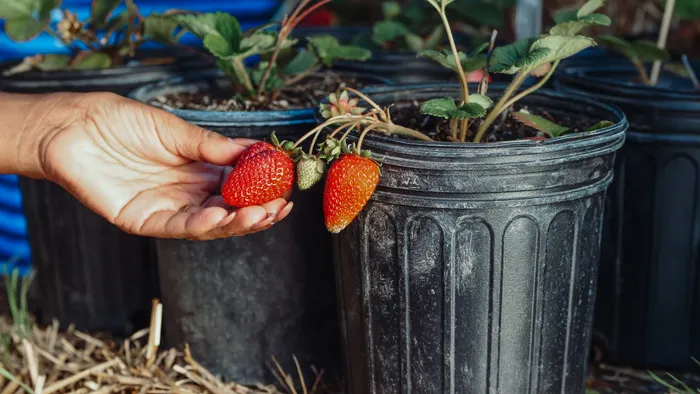
A trip does not have to end a balcony garden, but the solution depends on season, crop, container size, and length of absence. Prepare by reducing avoidable water demand and testing the care system before departure. An untested watering gadget installed on the last morning can fail just as easily as an unattended pot.
Begin one or two weeks ahead. Group containers by water needs and note how quickly each dries under current weather. Move portable plants out of punishing afternoon heat into bright, sheltered light, but do not place sun-loving crops in darkness. Harvest ripe produce, remove dead material, and check for pests or blocked drainage. Delay sowing new seeds and major transplanting until returning.
Water thoroughly shortly before leaving, allowing every pot to drain. Do not place ordinary containers in deep standing water; saturated roots may decline while the gardener is gone. A thin mulch can reduce evaporation. Larger pots usually hold moisture longer than tiny ones, so consolidating compatible small plants into a larger container well before the trip may help, but last-minute root disturbance is counterproductive.
For a brief absence in mild weather, these adjustments may be enough. For longer trips or summer heat, arrange a responsible person to inspect the garden. Leave clear written directions for each container group, demonstrate how to check soil moisture, identify where runoff goes, and provide access that does not require unsafe reaching. Ask for photos if a problem develops. The helper should know not to fertilize, prune, or apply pest products unless specifically agreed.
Drip systems, reservoir containers, and capillary devices can extend the interval between visits. Test the complete setup for at least several days under similar weather. Confirm flow at the furthest emitter, check that tubing cannot detach or send water beyond the balcony, and ensure the supply cannot cause serious damage if a valve sticks. Battery timers and pumps need fresh power and a safe location. Building rules may limit unattended watering equipment.
Simple bottle devices have limited capacity and inconsistent flow depending on soil and opening size. Wicking systems can work for small plants but may deliver too much or too little. No device should be trusted merely because its package states a duration. Measure reservoir decline during the test and compare it with plant response.
Monitor the forecast before leaving. A heat wave may require more frequent human checks, while storms call for securing loose objects and emptying trays. Never leave temporary shade cloth, a tall screen, or irrigation tubing where wind can pull it over a railing.
On return, assess moisture before watering everything. Refill reservoirs, harvest mature produce, and restore plants to stronger light gradually if they were moved. Review which containers needed intervention and improve their setup before the next absence. The most reliable vacation plan combines lower demand, a tested system, and a person who can intervene. Automation can certainly also support that plan, but it should never be the only protection against leaks, weather, or an unexpectedly thirsty crop.