Ecological Gardening
Creating a Pollinator-Friendly Balcony with Edible Plants
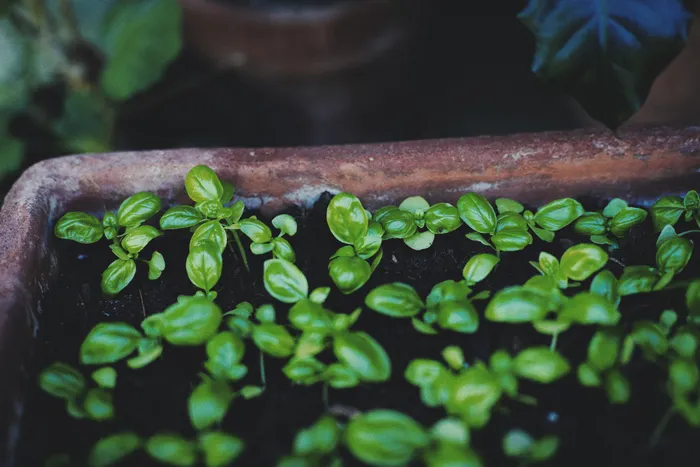
A food-producing balcony can also offer nectar and pollen to visiting insects. The goal is not to attract the greatest possible number of bees to a tiny sitting area. It is to provide a modest, continuous set of useful flowers while keeping the space comfortable, safe, and manageable for everyone who uses it.
Many edible plants already produce pollinator-friendly flowers. Basil, thyme, oregano, chives, cilantro, dill, mint, strawberries, beans, peppers, and tomatoes all bloom, although their value to different insects varies. Letting one or two herb plants flower can extend the balcony's role beyond harvest. Keep separate plants for leaf production because flowering changes the texture or flavor of some herbs and reduces continued leafy growth.
Aim for several flower shapes and a sequence of bloom rather than one dramatic week. Cool-season cilantro or chives may flower early, thyme and strawberries can cover another period, and basil or oregano can provide later bloom. Regional native flowering plants may add valuable resources, but choose species suited to containers, the balcony's light, and the local climate. A local extension service or reputable native-plant organization can help identify appropriate choices without assuming one national plant list fits every state.
Avoid overcrowding. Pollinators need access to flowers, while plants need airflow and reachable soil. Group two or three compatible pots rather than mixing plants with conflicting water needs in one container. Place flowering plants where insects can approach without being funneled through the doorway or directly beside chairs. Do not put sweet drinks, uncovered food, or standing water near the planting.
Use pest controls cautiously. First identify the pest and determine whether intervention is necessary. Hand removal, pruning a heavily infested tip, washing sturdy foliage, or adjusting plant care may solve a small problem. If a pesticide is warranted, choose a product labeled for the exact edible plant and target pest, follow every label direction, and pay particular attention to pollinator warnings and application timing. “Natural” does not automatically mean harmless to bees or safe for any use.
Provide water only in a way that does not become a mosquito source or drowning hazard. A shallow dish that is cleaned and refilled frequently, with stones rising above the water surface, may offer landing points. It is optional; flowering plants are the main contribution. Never maintain stagnant water, and comply with local public-health guidance.
Expect visitors without handling them. Bees generally focus on flowers, but people with serious sting allergies need advice tailored to their health and living situation. Keep the route indoors clear, wear footwear, and teach children not to swat or grab insects. Remove nests or aggressive colonies only with appropriate property management or qualified professional help.
A pollinator-friendly balcony works best as a layered food garden, not a miniature wildlife exhibit. A few well-chosen flowering edibles, continuous seasonal bloom, careful pest decisions, and respectful placement can support local insects while still delivering herbs, berries, and vegetables for the gardener. Photograph visitors rather than disturbing them, and use those observations to learn which flowers provide the most consistent activity across the season.