Containers and Soil
How to Prevent Drainage Problems Without Annoying Your Neighbors
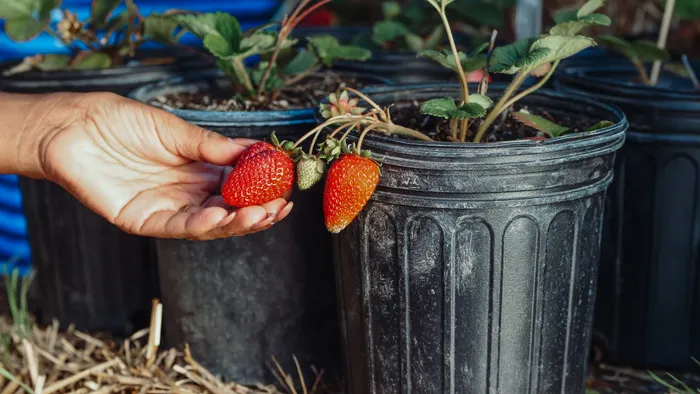
Balcony plants need drainage, but the water leaving a pot has to go somewhere. Uncontrolled runoff can stain surfaces, drip onto a neighbor's furniture, or violate building rules. The solution is not to seal the container. It is to design a drainage routine that protects roots and keeps water under control.
Start with pots that have functional holes rather than tiny decorative openings. Several modest holes across the base usually release water more evenly than one easily blocked hole. Check them before planting and after moving a container. A small piece of rigid mesh over a large opening can keep potting mix in place without stopping water. Avoid tightly packed fabric, paper, or thick layers of stones that slow drainage.
Place each pot on a correctly sized saucer or inside a managed tray. The saucer should extend beyond the pot base and remain visible enough to inspect. Lift the pot slightly on purpose-made feet or small waterproof spacers so the holes do not sit flat against the tray. After watering, allow the container to drain, then remove excess water before it remains around the roots for an extended period. A turkey baster, small siphon, absorbent sponge, or dedicated wet vacuum can help with large trays where lifting is impractical.
Water slowly. A fast stream often runs down a gap between dry mix and the pot wall, creating immediate overflow while the root zone stays partly dry. Apply a small amount across the surface, pause while it absorbs, and continue until a little water reaches the tray. If the mix has become extremely dry and repels water, repeat several gentle passes rather than flooding it. Mulching the surface with a thin layer of appropriate organic material can reduce splashing and slow evaporation, but keep mulch away from plant stems.
Group thirsty plants separately from drought-tolerant herbs so one watering schedule does not create constant runoff. Larger soil volumes generally need watering less often and accept water more evenly than many tiny pots. Self-watering containers can also limit runoff because water enters a reservoir, but their overflow openings must remain clear. They still require occasional top watering or flushing according to the container design.
Observe where wind-driven rain lands. A tray that handles routine irrigation may overflow during a storm. Before severe weather, empty reservoirs and saucers, move manageable pots under cover, and make sure no loose container can block a drain. Never direct balcony runoff into an interior floor drain unless the building specifically permits that use.
Mineral deposits and fertilizer residue can appear on saucers or flooring even when runoff is contained. Wipe trays regularly and use fertilizer at label rates rather than assuming more will improve growth. If water repeatedly emerges dark, sour-smelling, or very slowly, inspect the mix and roots instead of merely buying a deeper tray.
Finally, check the lease, association rules, and property guidance for planters and runoff. Buildings differ, and a renter-friendly setup respects those local requirements. With visible trays, slow watering, clear drainage holes, and a habit of emptying collected water, plants can receive thorough irrigation without sending the consequences downstairs.