Everyday Plant Care
A Reliable Watering Routine for Balcony Vegetables and Herbs
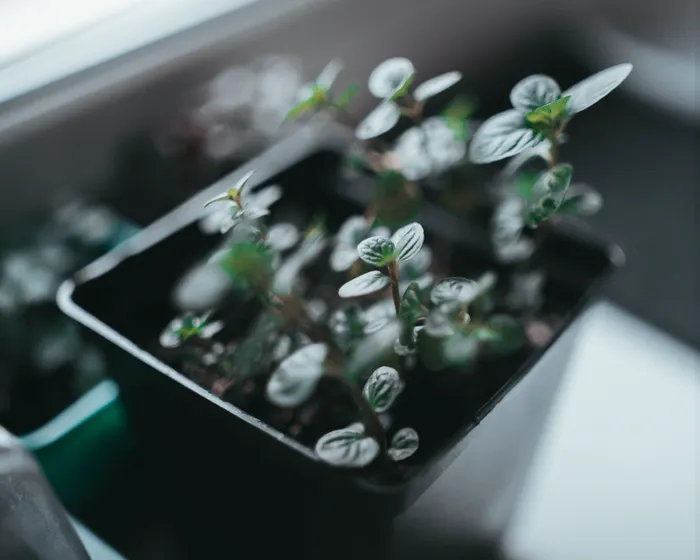
Container gardening advice often reduces watering to a schedule: every morning, twice a week, or whenever an app sends a reminder. A fixed schedule is convenient, but plants do not use water on a fixed schedule. Sun, wind, temperature, plant size, pot material, and soil volume can change demand from one day to the next. A reliable routine combines regular observation with a consistent way to decide.
Check the growing medium rather than judging only the surface. Insert a finger an inch or two into the mix where roots are active, taking care around shallow seedlings. If it feels cool and moist, wait. If it feels dry at that depth and the pot has become noticeably lighter, watering is probably appropriate. A wooden skewer can help in deeper containers: insert it into the root zone, leave it briefly, and examine whether it comes out damp with mix clinging to it. Moisture meters can be supplementary tools, but inexpensive models vary and should not replace direct observation.
When a container needs water, irrigate the entire root zone. Apply water slowly across the surface instead of pouring everything beside the stem. Pause if it begins to pool, then continue until a small amount drains from the bottom. Empty collected runoff as required by the balcony setup. This method encourages roots throughout the pot and helps prevent a cycle in which the center stays dry while water escapes along the sides.
Morning is often a practical time because plants begin the day hydrated and foliage has time to dry after accidental splashing. However, a wilted plant in dangerously dry mix should not wait for an ideal hour. Water the soil promptly and provide temporary shade if appropriate. During hot, windy periods, check small pots again later in the day. Avoid keeping leaves wet overnight when disease pressure is a concern, but focus first on delivering water to the roots.
Learn the difference between dry wilt and wet-root stress. A thirsty plant usually has dry mix and a light container. A plant can also droop in saturated soil because stressed roots lack air. Adding more water in that situation makes the problem worse. Check drainage holes, smell the mix, and look for standing water. Yellowing lower leaves, persistent wetness, fungus gnats, or a sour odor all justify a closer inspection.
Adjust the system before accepting constant emergencies. Move small black pots away from intense reflected heat, group containers to reduce wind exposure without eliminating airflow, and use larger pots for demanding crops. Add a modest surface mulch, choose moisture-retentive mix, or use a well-designed self-watering container. Conversely, move Mediterranean herbs such as rosemary or thyme into faster-draining conditions if they remain wet too long.
Keep brief notes for the first few weeks: weather, whether the pot was dry, how much water it accepted, and how the plant responded. Patterns emerge quickly. The aim is not to water as often as possible, but to restore moisture before serious stress while still allowing roots access to air. Observation turns watering from a calendar chore into a repeatable decision.