What to Grow
Root Vegetables You Can Realistically Grow in Containers
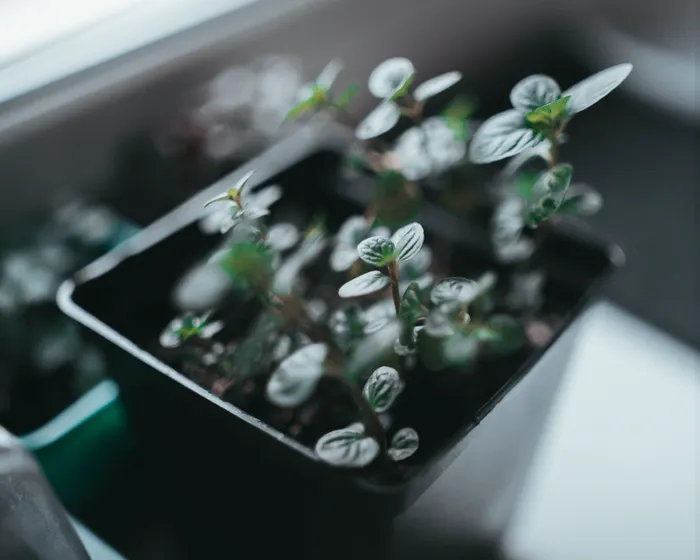
Root vegetables can fit a balcony garden, but the container must match the crop's shape and growing time. A deep pot does not guarantee success if the mix compacts, seedlings are crowded, or the variety produces roots longer than the available depth. Choosing short or round varieties and sowing them directly makes the project much more reliable.
Radishes are the quickest place to start. Small round types mature rapidly in cool weather and need less depth than long daikon varieties. Sow seeds at the packet's recommended spacing, then thin promptly. Crowded radishes often produce leaves without forming useful roots. Keep moisture even; repeated drying can lead to woody texture or splitting, while prolonged saturation limits root health.
Carrots require patience and a loose, stone-free medium. Choose short types such as round, Parisian, or compact cylindrical varieties for moderate-depth boxes. Fill the container completely with fine potting mix rather than adding a coarse drainage layer. Sow shallowly, keep the surface damp through the sometimes-slow germination period, and thin seedlings without disturbing the ones that remain. Forked carrots usually reflect obstacles, transplant disturbance, or uneven conditions rather than a dangerous problem.
Beets offer both edible roots and leaves. Give them more spacing than baby greens because each seed cluster can produce multiple seedlings. Thin carefully and harvest removed leaves while tender. Turnips also have compact varieties that work in containers, particularly during cool seasons. Their greens may be harvested lightly, but removing too much foliage slows root development.
Potatoes are possible in large containers or grow bags, although they occupy considerable space and are not necessarily the most productive crop per square foot. Use certified seed potatoes rather than grocery tubers, follow regional planting timing, and provide enough soil volume for the chosen variety. “Hilling” mix around growing stems can protect developing tubers, but adding endless layers does not force every variety to produce potatoes throughout the entire container.
Most root crops prefer direct sowing because transplanting can bend or damage the developing root. Use a container deep enough for the expected mature root plus additional space for drainage and soil below it. Wide boxes are efficient because they accommodate a grid of plants. Avoid high-nitrogen feeding, which can favor leaves over roots. A balanced container fertilizer applied according to its label is safer than frequent improvisation.
Harvest timing matters. Pull a sample when the packet's maturity window approaches and inspect the root shoulders at the soil surface. Radishes left too long become pithy; beets and carrots can remain usable longer depending on weather and variety. In hot conditions, cool-season roots may turn tough or bolt, so move on to warm-season crops rather than trying to force them through unsuitable weather.
Container root vegetables reward precision more than abundance. Start with one box of radishes, short carrots, or beets, keep seedlings properly spaced, and maintain even moisture. A modest harvest of well-formed roots is a better outcome than a crowded pot full of leaves. Label the variety so the expected root shape and harvest window remain clear.